
NexScaleX | Top Instagram Trends You Need to Know in 2024
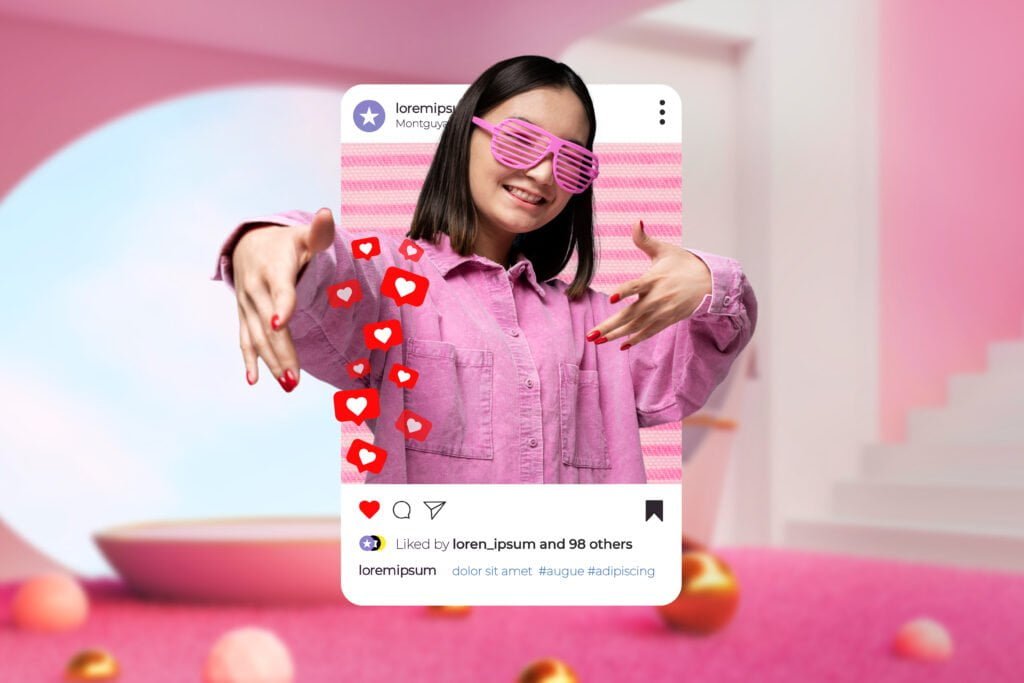
Instagram continues to be one of the most influential social media platforms, shaping how brands and individuals connect with their audiences. As we move through 2024, several key trends are emerging that can help you stay ahead of the curve and maximize your Instagram presence. From new features to evolving content strategies, these trends highlight the platform’s dynamic nature and its potential for growth and engagement. Here’s a look at the top Instagram trends you need to know in 2024. 1. Enhanced AI and AR Experiences Artificial Intelligence (AI) and Augmented Reality (AR) are transforming the way users interact with content on Instagram. AI-driven features, such as improved image recognition and personalized content recommendations, enhance user experience by delivering more relevant content. AR filters and effects continue to be popular, with brands creating custom AR experiences to engage users in fun and interactive ways. Expect to see more sophisticated AR tools that allow users to virtually try on products, explore 3D environments, and participate in immersive brand experiences. 2. Rise of Instagram Reels Instagram Reels has quickly become a favorite feature among users, rivaling TikTok with its short-form video content. In 2024, Reels will continue to dominate as a primary content format on Instagram. Brands and influencers are leveraging Reels to showcase products, share behind-the-scenes moments, and participate in trending challenges. The key to success with Reels is creativity and authenticity, as users gravitate towards engaging and relatable content. 3. Shoppable Posts and Social Commerce Instagram’s evolution into a social commerce platform is one of the most significant trends of 2024. Shoppable posts and Instagram Shops allow users to purchase products directly from the app, streamlining the buying process. Brands are increasingly using these features to create seamless shopping experiences, with tags on photos and videos that link to product pages. Expect to see more integration of e-commerce capabilities, making Instagram a crucial part of the online shopping ecosystem. 4. Collaborations and Co-Creation Collaborations between brands and influencers, as well as between different brands, are becoming more common on Instagram. Co-created content resonates well with audiences because it combines the strengths and creative visions of multiple parties. These partnerships can range from joint Instagram Lives and Reels to collaborative giveaways and product launches. The authenticity and variety that collaborations bring can help brands reach new audiences and foster stronger community connections. 5. Focus on Sustainability and Social Responsibility Consumers are increasingly prioritizing sustainability and social responsibility, and this trend is reflected on Instagram. Brands that promote eco-friendly practices, ethical sourcing, and social causes are gaining traction. Transparency and authenticity are crucial; users want to see genuine efforts and meaningful contributions rather than superficial gestures. Highlighting sustainable products, sharing behind-the-scenes sustainability practices, and supporting social causes can enhance brand reputation and loyalty. 6. User-Generated Content (UGC) User-generated content remains a powerful tool for building trust and engagement on Instagram. Encouraging your audience to create and share content featuring your brand can lead to authentic and relatable posts that resonate with potential customers. UGC can take the form of customer reviews, testimonials, unboxing videos, and more. Featuring UGC on your brand’s Instagram account not only provides social proof but also fosters a sense of community and involvement. 7. Micro-Influencers and Niche Communities While macro-influencers with massive followings still play a significant role, micro-influencers and niche communities are gaining importance. Micro-influencers, with their smaller but highly engaged audiences, often have more influence and trust within specific niches. Collaborating with micro-influencers can lead to more targeted and effective marketing campaigns. Additionally, engaging with niche communities allows brands to connect with passionate and dedicated groups of users who share common interests. 8. Interactive and Live Content Live content continues to be a major trend on Instagram, with users valuing real-time interactions and behind-the-scenes insights. Instagram Live provides a platform for Q&A sessions, product launches, tutorials, and virtual events. Interactive features, such as polls, quizzes, and question stickers, also enhance engagement by encouraging direct interaction with your audience. These features allow brands to connect with followers on a personal level and build a loyal community. 9. Story Highlights and Consistent Branding Story Highlights have become an essential tool for maintaining a consistent brand presence on Instagram. By curating and categorizing Stories into Highlights, brands can showcase key content, promotions, and information that remain accessible on their profile. Consistent branding across Highlights, including the use of cohesive visuals and themes, helps reinforce brand identity and provides a polished look to the Instagram profile. 10. Emphasis on Mental Health and Well-Being As conversations around mental health and well-being continue to grow, Instagram users are seeking content that promotes positivity and self-care. Brands that address mental health topics, offer support, and encourage wellness practices can build deeper connections with their audience. Sharing tips for mindfulness, promoting mental health resources, and fostering a supportive online community align with this trend and resonate with users seeking a more balanced digital experience. Related Articles Short-Form Video Dominates: Reels, TikTok & Shorts Trends for 2025 What Does “Influencer” Really Mean in the Age of Social Media? Social Commerce Growth: Turning Feeds into Storefronts in 2025 The Rise of Short-Form Video Content: A Game-Changer in Digital Marketing 📖 Related Articles Short-Form Video Dominates: Reels, TikTok & Shorts Trends Social Commerce: Turn Your Social Feeds into Storefronts What Does “Influencer” Really Mean in Social Media? Case Study: Biswa Bangla Cultural Storytelling Success Boost Your Online Presence with Digital Marketing
NexScaleX: Top 11 Media and Entertainment Industry Trends in 2024
The media and entertainment industry is perpetually in flux, with digital innovators continuously pushing the envelope to improve user experiences, customer satisfaction, and engagement rates. Staying updated with the latest digital media and entertainment trends is crucial for any business looking to maintain a competitive edge. Today, we explore significant trends that will define the media and entertainment landscape in 2024. This article, crafted by NexScaleX, is designed to guide your strategic decisions, helping you navigate the year ahead successfully. The Rise of Short-Form Video Content Dyana Najdi, the managing director of Video and Display at Google, highlights short-form video content as a pivotal trend for 2024. Platforms like YouTube Shorts have exploded in popularity, boasting over 1.5 billion monthly users globally since their launch. Similarly, TikTok continues to dominate, with downloads surpassing 2.6 billion worldwide. The appeal of short-form videos lies in their digestibility. In an era of constant distractions, capturing and retaining user attention is challenging. Short videos cater perfectly to the modern user’s diminishing attention span, offering a more effective medium for engaging potential customers quickly and efficiently. Prioritizing Customer Experience An astounding 86% of consumers are willing to pay more for a superior experience, making a customer-first approach a perennial trend in the digital media industry. As technology evolves, merely meeting customers on their preferred devices isn’t enough. The high stakes of competition drive the need for unique, captivating experiences that retain users longer. Innovations like virtual reality (VR) and augmented reality (AR) are being leveraged to transform user experiences fundamentally. These technologies are not only enhancing how consumers interact with content but are also expanding the reach to broader audiences, promising better long-term returns. Implementing Analytical Tools Staying attuned to digital media trends requires robust analytical tools. These tools are indispensable, guiding everything from content creation to ad placement and promotional strategies. Whether it’s built-in plugins, third-party applications, or custom-developed systems, the right analytical setup helps parse vast data sets to optimize content and refine user interactions. Privacy and data security remain paramount, as consumers increasingly demand personalized experiences without compromising their personal information. Chatbots: Enhancing User Interaction Chatbots have become increasingly sophisticated, proving their worth across various industries, including media and entertainment. For instance, the Harry Rosen store has significantly benefited from deploying chatbots, which lower operational costs, enhance user experiences, and eliminate barriers to communication—potentially boosting sales. Embracing Cryptocurrency Payments With many media platforms adopting cryptocurrency, this trend is set to redefine transaction methods within the industry. As digital content moves towards being compensated in digital currency, integrating cryptocurrency payments could position companies advantageously within an evolving market. The Power of Influencer Marketing Influencer marketing continues to grow, with investments yielding substantial returns. This marketing strategy is expected to expand considerably, reaching new heights by 2030. Companies leveraging influencer partnerships report impressive ROI, emphasizing the effectiveness of this approach in today’s digital landscape. Multi-Channel Strategy Engaging new audiences is crucial, and a multi-channel presence is essential for success. Brands like Bon Appétit have thrived by adapting to digital mediums and spreading their presence across various platforms, significantly boosting their subscription rates and broadening their consumer base. Emerging Technologies: VR and AR Virtual and augmented reality technologies are revolutionizing the media sector by providing immersive experiences that enhance consumer engagement and storytelling. These technologies allow users to experience content in entirely new ways, from interactive books to immersive game environments. AI and Machine Learning Platforms like Netflix are leveraging AI to deliver personalized viewing experiences, demonstrating the technology’s capability to enhance content discovery and viewer satisfaction. AI’s role in personalizing interactions and improving content recommendations is becoming increasingly critical in retaining users. The Future of Cloud Gaming Cloud gaming is transforming how users access and enjoy video games. It eliminates hardware constraints, offering a more accessible gaming experience across various devices. This trend is poised to reshape the gaming landscape, providing a seamless, high-quality gaming experience to a broader audience. Conclusion The media and entertainment industry’s future is undeniably digital. Staying ahead requires embracing new technologies, understanding emerging trends, and being willing to innovate continuously. At NexScaleX, we specialize in helping businesses navigate this complex landscape with cutting-edge solutions and expert guidance. If you’re ready to transform your media strategy, contact NexScaleX today. Let’s innovate together for a successful digital future. Related Articles AI-Powered Marketing Tools: How AI Is Transforming Content Creation in 2025 AI Video in 2025: The Tools That Will Replace Traditional Filmmaking NexScaleX: Live Blog: Apple’s AI Innovations, iOS 18, and More at WWDC 2024 NexScaleX: iOS 18: Making Your iPhone More Personal, Capable, and Intelligent 📖 Related Articles 2024 CMO Investment Trends in Digital Marketing Expansion of In-Game Marketing: Future of Brand Advertising Short-Form Video Dominates: Reels, TikTok & Shorts Trends 12 AI Digital Marketing Tools Agencies Must Use Now Boost Your Online Presence with Digital Marketing