
How to Choose the Right Digital Marketing Agency in Dubai (2026 Guide)

Looking for the right digital marketing agency in Dubai in 2026? This comprehensive guide covers certifications, pricing, red flags, and what to look for when choosing a UAE marketing partner.
WPP & Google: A $400M AI Partnership Reshaping Marketing

WPP, the world’s largest advertising group, has signed a landmark $400 million AI partnership with Google. Using Gemini AI, Google Veo, and Cloud AI tools, this deal will reshape how every marketing agency and brand operates. Here is everything you need to know — and what your business should do right now.
Veo 3: The Future of AI-Generated Cinematic Video
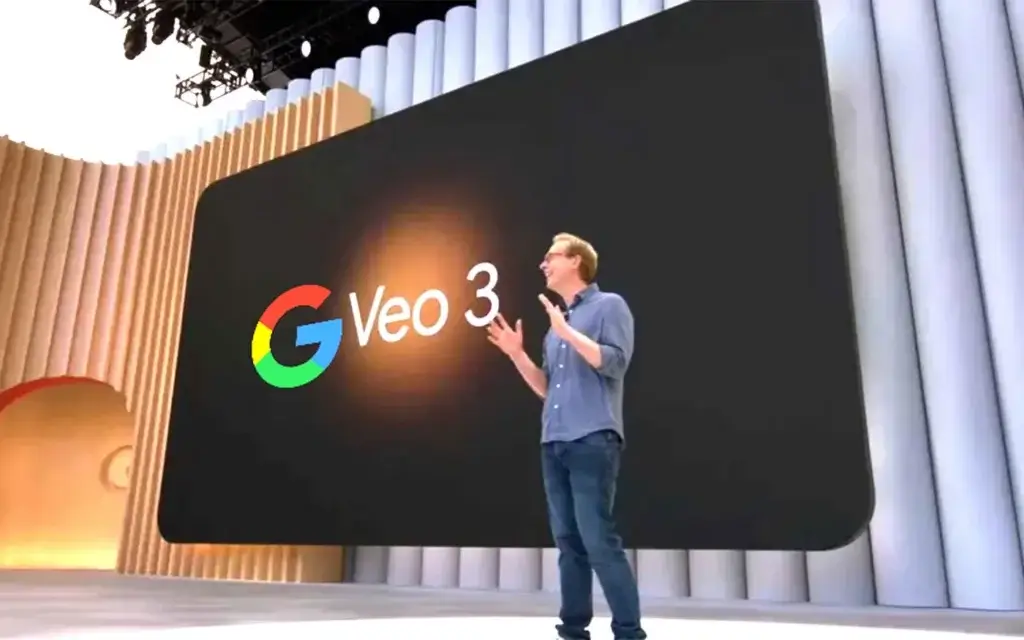
Artificial intelligence has evolved rapidly in the last few years, transforming from simple image generators into fully capable creative engines. The latest breakthrough in this evolution is Google Veo 3, a next-generation text-to-video model from Google DeepMind. Unlike earlier AI tools that produced silent and unstable clips, Veo 3 generates high-quality video with synchronized audio, cinematic movement, and realistic lighting. Veo 3 is not just an upgrade. It represents a huge milestone in professional AI video creation. With the ability to generate short film-style scenes in seconds, it unlocks new possibilities for marketers, agencies, filmmakers, designers, brands, startups, and content creators. What Is Google Veo 3 Veo 3 is Google’s most advanced AI video generation model. It takes simple input such as text or images and produces complete video clips with motion, light, depth, consistency, and sound. Key capabilities include: The results are often comparable to highly produced footage shot with cameras, lights, and a full production team. Why Veo 3 Is a Breakthrough Removes Production Barriers Traditionally, video production requires cameras, crew, actors, lighting, recording equipment, locations, and post-production editing.Veo 3 removes all of that. A well-written prompt becomes a high-quality scene in seconds. Enables Faster Creative Workflows Agencies and creators can instantly: Reduces Cost Dramatically Even a simple 6-second cinematic shot normally requires expensive gear and man-hours.Veo 3 produces it with minimal cost and almost no time. Supports Vertical Video This makes it perfect for: Adds Real Audio Veo 3 generates audio that matches the visual scene: This takes AI video to a new level of realism. How Veo 3 Works Input Methods Text-Only Input Describe camera angles, motion, lighting, environment, emotional tone, and audio.Example:A slow cinematic shot of a futuristic motorcycle racing past neon signs with wind ambience. Image-to-Video Upload images that the AI uses to maintain style and character identity. First Frame to Last Frame Give the start and end, and Veo generates the motion between them. Output What’s New in Veo 3 Audio Generation For the first time in Google’s AI video models, audio is integrated.This includes natural, environmental, emotional, and mechanical sound. Advanced Camera Motion Smooth, stabilized, film-style movements, including: Improved Realism The model produces: Full Vertical Support Perfect for social media and mobile advertising. Real-World Uses of Veo 3 Marketing Agencies Veo 3 can be used to: Restaurants and Cafés Real Estate E-Commerce Brands Content Creators and YouTubers How to Write a Strong Veo 3 Prompt Use this order: Camera Shot Wide cinematic shot, closeup, aerial, macro, etc. Scene Description Environment, location, texture, atmosphere. Motion Camera slowly pushes forward, orbit motion, tracking shot. Style and Lighting Dreamy, dark neon, golden hour, foggy atmosphere. Audio Soft wind, electronic ambience, water sounds, footsteps, crowd noise. Negative Prompt No distortions, no extra limbs, no glitches, no unrealistic textures. This structure produces the cleanest results. Limitations You Should Know Why Veo 3 Is Perfect for NexScaleX New Services Offer AI-powered video packages, social content, ad creation, vertical cinematic clips, and product videos. Faster Delivery Clients can receive video content on the same day. More Profit Low production cost and high value make this a profitable service. Competitive Edge Most agencies globally still don’t use AI video.NexScaleX can lead the regional market. Scalable Output Produce dozens of videos per client each month. Conclusion Google Veo 3 represents a major shift in video creation. It merges realistic visuals, cinematic camera movement, synchronized audio, and advanced scene understanding into a single AI tool. While it still has limitations, it is already powerful enough to transform how marketers, agencies, and creators produce video content. Veo 3 saves time, cuts costs, and expands creative possibilities.The future of video production is AI-assisted, efficient, cinematic, and accessible — and Veo 3 is at the front of that revolution. Related Articles The Rise of AI Cinematic Video: How Veo 3 Beats Every Video Generator AI Video in 2025: The Tools That Will Replace Traditional Filmmaking AI Is Taking Over Digital Marketing — 12 Tools Agencies Must Use Now How AI Makes You 10x Faster in Content Creation 📖 Related Articles How Veo 3 Beats Every AI Video Generator on the Market AI Video Tools That Will Replace Traditional Filmmaking How AI Makes You 10x Faster in Content Creation How to Become a Successful Content Creator & Make Money 12 AI Tools Every Marketing Agency Must Use Now
The Rise of AI Cinematic Video: How Veo 3 Beats Every Video Generator

Artificial intelligence has transformed nearly every creative field, but no area has advanced faster in the last year than AI video generation. What started as blurry, unstable clips from early AI tools has now evolved into cinematic, high-resolution, audio-synchronized videos that look almost indistinguishable from real footage. Leading this new wave of innovation is Google’s Veo 3, a breakthrough AI video model that outperforms every generator before it. While other AI tools still produce inconsistent video, flat composition, or unrealistic movement, Veo 3 introduces a new level of depth, motion, lighting accuracy, and sound generation. Brands, filmmakers, marketers, and creators are beginning to realize that Veo 3 is not just another AI tool—it is the foundation of the next era of video production. What Makes Veo 3 a New Generation of AI Video Veo 3 stands out because it understands video the way filmmakers think. Instead of generating random frames, it processes a scene holistically: camera motion, lighting direction, character position, environment depth, and audio atmosphere. This means Veo 3 can output video clips that feel cinematic, intentional, and emotionally engaging. It supports text-to-video, image-to-video, and even frame-to-frame generation where users can define a starting and ending frame. The ability to produce coherent motion between these frames sets Veo 3 far ahead of most generators that struggle to keep consistency. The model produces videos in both 16:9 landscape format and 9:16 vertical format, making it ideal for YouTube, TikTok, Instagram Reels, ads, and short-form storytelling. Its understanding of camera physics, lens behavior, and realistic shadows makes the results look more like real cinematography than AI. AI-Generated Audio That Changes Everything Most AI video generators produce silent clips, leaving creators to manually add sound, music, or effects. Veo 3 changes this by generating sound that matches the scene. If your video contains ocean waves, Veo 3 adds water ambience. If the scene features futuristic traffic, it adds robotic hums and engine noise. If two characters are speaking, Veo 3 can generate dialogue-like vocal tones based on your prompt. This audio integration makes Veo 3 the first AI model capable of delivering a complete cinematic shot: movement, lighting, emotion, atmosphere, and sound all in one output. Cinematic Camera Motion That Other AI Tools Cannot Match One of the biggest weaknesses in older AI video tools is unnatural movement. Cameras move in strange arcs, objects shift unexpectedly, and motion feels artificial. Veo 3 fixes this by understanding real filmmaking techniques. Types of motion Veo 3 can replicate These techniques allow Veo 3 to create clips that resemble shots from premium cameras, not computer-generated experiments. Lighting and Environment Accuracy Lighting is one of the hardest aspects of video generation. Most AI tools struggle with shadows, depth, and directional light. Veo 3 produces lighting that behaves realistically depending on the scene. Golden hour looks warm and soft. Neon environments glow with reflective highlights. Indoor rooms show accurate bounce light. Shadows fall naturally in the correct direction. Reflections on water or glass behave according to physics. Material textures such as metal, cloth, skin, and wood are consistent across frames. This level of lighting realism is one of the main factors that puts Veo 3 above other video models. Consistent Characters and Objects Older AI video models often change a character’s face mid-clip. Clothes shift, objects distort, and details disappear. Veo 3 maintains consistency throughout the entire sequence. If you generate a clip with a specific person, Veo 3 keeps their facial features, hair, clothing, and proportions stable from start to finish. The same applies to environments, vehicles, animals, and props. This reliability makes Veo 3 suitable for story-driven content, product videos, and branded campaigns. Short-Form Innovation: Perfect for TikTok and Reels The digital world is dominated by vertical content. Veo 3 supports full 9:16 cinematic output, making it the best AI tool for social-first brands. Whether generating a product showcase, a cinematic transition, or a storytelling clip, Veo 3 can produce content optimized for mobile audiences. This gives marketers and creators a powerful advantage. Instead of spending hours shooting and editing, they can generate on-brand videos instantly and publish within minutes. Why Veo 3 Beats Every Other AI Video Generator Compared to early AI models: Compared to current competitors: Veo 3 feels like the first AI video tool ready for real-world production. It’s polished, stable, and reliable enough to use in advertising, client work, branding, and professional content creation. Real Business Use Cases for Veo 3 For marketing agencies For e-commerce For real estate For restaurants and cafés For content creators and filmmakers How to Write Effective Prompts for Veo 3 Include these elements for best results: Camera angle Wide shot, close-up, macro, aerial, handheld Scene description Environment, textures, colors, mood Motion Camera pushes forward, orbit move, slider, slow pan Lighting Golden hour, neon glow, soft shadows, dramatic contrast Audio Wind ambience, electronic music, ocean waves, city noise Negative instructions No distortions, no unrealistic motion, no artifacts A structured prompt leads to much cleaner cinematic output. The Limitations of Veo 3 Although Veo 3 is extremely advanced, it still has limits: Even with these limitations, Veo 3 remains the strongest tool available today for AI cinematic video. The Future with Veo 3 Veo 3 is only the beginning. The next versions will likely support longer scenes, dialogue control, multi-scene storytelling, and full editing tools. As businesses adopt AI video, the demand for fast, cinematic content will grow. Veo 3 positions itself as the leader in this new era, giving creators and brands a level of power that was impossible even a year ago. The rise of AI-generated cinematic video is not a trend—it is the evolution of filmmaking. Veo 3 is the model that proves AI is ready to take video production to the next level. Related Articles Veo 3: The Future of AI-Generated Cinematic Video AI Video in 2025: The Tools That Will Replace Traditional Filmmaking AI Is Taking Over Digital Marketing — 12 Tools Agencies Must Use Now How AI Makes You 10x
AI Video in 2025: The Tools That Will Replace Traditional Filmmaking
Artificial intelligence is rapidly reshaping the world of filmmaking and video production. What began as simple image generators has evolved into advanced AI systems capable of creating cinematic scenes, dynamic camera movement, synchronized audio, and realistic environments. In 2025, AI video tools are no longer experimental side-projects; they are becoming direct competitors to traditional filmmaking workflows. Brands, filmmakers, agencies, creators, and even large studios are starting to adopt AI-first production pipelines that reduce costs, speed up production, and expand creative possibilities. Whether it is generating a full cinematic sequence from a text prompt or producing character-consistent scenes without actors, AI tools are moving faster than anyone predicted. This blog explores how AI video is transforming production, what tools are leading the revolution, and why 2025 marks the beginning of the shift away from traditional filmmaking. The Evolution of AI Video Technology The early generation of AI video tools struggled with blurry frames, unnatural movement, and random distortions. These systems could only generate seconds of footage, usually without sound, and offered limited control. By 2025, however, AI video has become more stable, detailed, and cinematic. The latest AI tools understand: This deeper understanding allows AI models to produce scenes that look like they were captured with professional equipment. How AI Video Is Replacing Traditional Filmmaking Instant Scene Creation Traditional filmmaking requires: AI tools, however, can generate an entire scene from a simple prompt. Producers can create multiple versions, test different camera angles, explore creative ideas, and refine visual styles in minutes instead of weeks. Massive Cost Reduction Filmmaking is expensive—equipment, travel, staff, sets, editing, and post-production all add up. AI tools dramatically reduce these costs by eliminating physical production needs. Instead of renting cameras or studios, creators simply use AI software that produces cinematic results without the traditional budget. Faster Production and Revision Cycles One of the biggest advantages of AI is speed. Directors and marketing teams can generate scenes, review them instantly, request changes, and regenerate new versions. No more waiting for reshoots or large post-production processes. Creativity becomes unlimited because ideas are tested instantly. Consistent Visual Quality AI tools maintain consistent lighting, character appearance, and scene continuity. This makes them ideal for storytelling, advertising, or episodic content where repeated shots or multiple scenes must feel coherent. The AI Tools Leading Filmmaking in 2025 Text-to-Video Generators These tools generate cinematic clips directly from text. The user describes the scene, and the AI creates the video, complete with motion, lighting, and audio. They replace the need for real-world filming for short-form content, concept videos, ads, and marketing visuals. Image-to-Video Systems Creators can upload reference images of characters, products, or environments. The AI transforms these images into animated scenes with realistic camera movement. This is used heavily in brand storytelling, product demos, and animated ads. Scene-to-Scene Story Builders Some AI tools assemble multiple short clips into longer sequences. They manage transitions, camera flow, and narrative structure, helping creators build full stories without shooting footage. AI Audio and Dialogue Generators AI models now generate: This replaces parts of the traditional sound department. AI Editing and Post-Production Tools Tools can now: These systems reduce the need for large editing teams. Why 2025 Is the Turning Point Vertical Content Dominance Social platforms prioritize short, vertical videos. AI excels at generating 9:16 footage instantly, making it extremely useful for TikTok, Instagram, and Shorts. Brands now prefer AI video because it is fast, repeatable, and cheap—perfect for content-hungry platforms. Creator Economy Growth Millions of creators need fast, affordable video. AI allows them to create high-quality scenes without cameras, studios, or editing knowledge. This shifts power away from traditional production and into the hands of individuals. Business Adoption Companies see that AI reduces marketing production costs by up to 80%. Instead of hiring production crews for every campaign, brands generate content instantly, allowing more ads, more variations, and higher ROI. Studio Experiments Hollywood studios are now experimenting with hybrid productions, using AI to generate scenes or prototypes before filming. In some cases, entire sequences are replaced by AI-generated visuals. How AI Tools Compare to Traditional Filmmaking Speed AI: MinutesTraditional: Days or weeks Cost AI: Very lowTraditional: Very high (equipment, crew, travel, locations) Flexibility AI: Unlimited versions, styles, and anglesTraditional: Limited by budget, environment, crew, and time Consistency AI: Perfect lighting, stable characters, identical shotsTraditional: Weather, lighting, and scheduling issues Accessibility AI: Anyone can create cinematic videoTraditional: Requires expertise, equipment, and resources Challenges and Limitations of AI Video in 2025 Even with rapid progress, AI video still has limitations: However, these limitations are shrinking every year. The Future of AI Filmmaking Beyond 2025 AI video will continue evolving to support: Traditional filmmaking will not disappear, but AI-assisted filmmaking will become the standard in marketing, advertising, entertainment, content creation, and business media production. Why Businesses Must Start Using AI Video Now Brands that adopt AI video gain: Agencies like NexScaleX can lead this transformation by offering AI-powered video services. The businesses that start early will dominate attention, increase ROI, and stay ahead of competitors who still rely on old-fashioned production methods. Conclusion AI video in 2025 is not just a trend—it is a revolution. The tools available today already outperform traditional filmmaking in speed, cost, accessibility, and creative freedom. As AI becomes more powerful, it will replace large parts of the traditional process, empowering anyone to create cinematic video instantly. Filmmaking is entering a new era, one where creativity is no longer limited by budget or equipment. The future belongs to those who embrace AI. Related Articles The Rise of AI Cinematic Video: How Veo 3 Beats Every Video Generator Veo 3: The Future of AI-Generated Cinematic Video AI Is Taking Over Digital Marketing — 12 Tools Agencies Must Use Now How AI Makes You 10x Faster in Content Creation 📖 Related Articles Veo 3: The Future of AI-Generated Cinematic Video How Veo 3 Beats Every AI Video Generator How AI Makes You 10x Faster in Content Creation 12 AI Tools Every Marketing Agency Must Use Now Short-Form Video
October 2025 Digital Marketing Updates: AI Ads, Meta’s No-Ad Subscription & The Future of TikTok

The digital marketing world never sits still — and October 2025 delivered some of the most significant updates we’ve seen this year. From AI-powered advertising to major shifts in social platforms, brands must stay ahead to remain competitive.At NexScaleX, we track these trends to help businesses scale smarter and stay ready for what’s next. 🔹 1. AI Ads Are Coming: OpenAI Enters the Advertising Arena OpenAI has taken its first steps toward building an advertising ecosystem.The company was spotted hiring a Growth Paid Marketing Platform Engineer, signaling plans to monetize the 700M+ weekly free users on ChatGPT. Why this matters: This could become one of the biggest ad opportunities since the launch of TikTok Ads. 🔹 2. Meta Tests a No-Ads Subscription: What It Means for Marketers Meta expanded its trial of an ad-free subscription in the UK: Removing ads for paying users means reduced inventory, which could result in: Marketers need to rethink their Meta strategy — focusing more on creative excellence, first-party data, and omnichannel funnels. 🔹 3. TikTok Ownership Shift: A New American-Owned Era? A new U.S. executive order suggests TikTok is heading toward American ownership.The proposal states: This raises key questions: For brands reliant on TikTok, this is a critical moment to monitor. Algorithm or policy changes could reshape the platform entirely. 🔹 4. Google Breaks SEO Tools: Search Console Data Drops Google has removed the “&num=100” parameter that rank-tracking tools used to fetch the top 100 results. The impact: What to do now:Google recommends shifting focus toward content quality, user value, and long-term SEO fundamentals, not imperfect metrics. 🔍 Final Thoughts October 2025 shows just how quickly the digital advertising world can change.From AI-powered ad platforms to shifting ownership of major networks, brands must stay agile. At NexScaleX, we help businesses navigate these changes with: If you want to understand how these trends affect your brand — or how to scale in the new digital era — book a meeting with our team. Related Articles October 2025 Social Media Updates: Pinterest AI Controls, Snapchat AR, and Threads Group Chats AI-Powered Marketing Tools: How AI Is Transforming Content Creation in 2025 AI Is Taking Over Digital Marketing — 12 Tools Agencies Must Use Now Short-Form Video Dominates: Reels, TikTok & Shorts Trends for 2025 📖 Related Articles October 2025 Social Media Updates: Pinterest, Snapchat & Threads AI-Powered Marketing Tools Transforming Content Creation 12 AI Tools Every Marketing Agency Must Use Now Short-Form Video Dominates: Reels, TikTok & Shorts Trends Social Commerce: Turn Your Social Feeds into Storefronts
October 2025 Social Media Updates: Pinterest AI Controls, Snapchat AR, and Threads Group Chats

Social media continues to evolve at high speed—and October 2025 brought major updates across top platforms. From AI-controlled feeds to next-generation AR tools and new community features, brands now have more opportunities (and challenges) when building their digital presence.At NexScaleX, we break down what matters most for marketers and how these changes will impact your upcoming strategies. 🔹 1. Pinterest Introduces Controls to Limit AI Content Pinterest launched a new feature allowing users to reduce or limit generative-AI content in their home feed. Key points: What this means for marketers:AI-driven visuals may no longer perform the same way on Pinterest. Brands must test organic photography vs AI art and monitor how audiences interact with both. 🔹 2. Snapchat Expands AR Capabilities with AI Lens Studio During Lens Fest 2025, Snapchat announced major upgrades to AR creation, including a new Generative-AI Lens Studio. What’s new: Why it’s important:Marketers can now create interactive AR experiences with less technical effort—ideal for product try-ons, immersive filters, and experiential campaigns. 🔹 3. Threads Rolls Out Group Chats & DMs in Europe Meta continues to push Threads into full social-network territory.New updates include: Marketing opportunities: This shifts Threads from a broadcasting app to a community-driven engagement platform. 🔍 Final Thoughts October 2025 proved that social platforms are moving deeper into AI, AR, and community-based interactions.Brands that test early, adapt quickly, and create meaningful experiences will lead the next wave of social media innovation. At NexScaleX, we help businesses navigate these changes with smart strategies, creative content, and high-performance digital execution. Related Articles October 2025 Digital Marketing Updates: AI Ads, Meta’s No-Ad Subscription & The Future of TikTok AI-Powered Marketing Tools: How AI Is Transforming Content Creation in 2025 AI Is Taking Over Digital Marketing — 12 Tools Agencies Must Use Now Short-Form Video Dominates: Reels, TikTok & Shorts Trends for 2025 📖 Related Articles October 2025 Digital Marketing Updates: AI Ads & TikTok Short-Form Video Dominates: Reels, TikTok & Shorts Trends Top Instagram Trends You Need to Know Social Commerce: Turn Your Social Feeds into Storefronts What Does “Influencer” Really Mean in Social Media?
AI-Powered Marketing Tools: How AI Is Transforming Content Creation in 2025

Artificial intelligence is no longer a trend—it’s now a core pillar of modern marketing.In 2025, AI-powered content tools such as ChatGPT, Gemini, Claude, AI image generators, and automated video tools have become essential for brands aiming to scale fast and produce high-quality content consistently. These tools do more than generate text. They now: Reports from October 2025 reveal a major shift: the strongest-performing campaigns mix AI efficiency with human creativity, producing content that feels real, trustworthy and personalised. AI helps marketers: But ethics and authenticity matter more than ever.Consumers respond better to brands that keep it real—and avoid fake AI-generated models or “deepfake influencers.”A great example is the buzz around Aerie’s “real people” campaign, which went viral for its transparency and authenticity. The takeaway?AI should enhance human creativity, not replace it. When brands use AI as a collaborative tool, they produce smarter, faster, and more impactful marketing. Want to expand your strategy even further?Check out our article on Short-Form Video in 2025 and learn how AI tools can optimise scripts and ideas for TikTok, Instagram Reels, and YouTube Shorts. Related Articles AI Is Taking Over Digital Marketing — 12 Tools Agencies Must Use Now How AI Makes You 10x Faster in Content Creation October 2025 Digital Marketing Updates: AI Ads, Meta’s No-Ad Subscription & The Future of TikTok NexScaleX: Boost Your Online Presence: Unleashing the Power of Digital Marketing 📖 Related Articles 12 AI Tools Every Marketing Agency Must Use Now How AI Makes You 10x Faster in Content Creation AI Tools That Replace Whole Departments AI-Powered Marketing Strategies for Digital Success Rise of Short-Form Video: A Digital Marketing Game-Changer
Short-Form Video Dominates: Reels, TikTok & Shorts Trends for 2025

October 2025 shows short-form video dominance across TikTok, Instagram Reels & YouTube Shorts, with strategies to hook audiences and drive sales.
Social Commerce Growth: Turning Feeds into Storefronts in 2025

In 2025, social media has officially evolved from a discovery channel into a full-scale digital marketplace. Platforms like Instagram, TikTok, Pinterest, Snapchat and Facebook now offer native shopping tools that allow users to browse, evaluate and purchase products without ever leaving the app. For brands, this marks a major shift: your feed is no longer just content — it’s your storefront. 🚀 Social Feeds Are Becoming Digital Stores Shoppable posts, product tags, live shopping, and in-app checkout have turned social media into a seamless shopping experience.Instead of sending users to external websites, brands can now convert interest into sales instantly. This transition demands a new mindset:Social media isn’t top-of-funnel anymore — it’s the full funnel. Best-performing social commerce strategies now include: Across fall 2025 campaigns, brands using in-app checkout saw much higher conversion rates due to reduced friction — often just two or three taps to buy. 📸 Shoppable Content That Converts Short-form video is the powerhouse behind modern social commerce.By combining product storytelling with interactive shopping tools, brands can demonstrate value instantly. Top-performing shoppable formats: These formats create emotional triggers and impulse buying moments, especially when paired with time-sensitive offers. 🎯 Personalisation Drives Higher Sales In 2025, the smartest social commerce strategies use behavioural signals to deliver personalised offers. Examples: Social commerce thrives when content feels tailored — not generic. ⭐ Trust is the New Currency Consumers expect authenticity more than ever.Showcasing real customers, real experiences and real reviews is essential. High-converting trust elements: UGC consistently increases engagement, time-on-post, and purchase confidence. 📦 Master the Tools: TikTok Shop, Instagram Checkout, Pinterest Shopping API Every major platform is rolling out innovative e-commerce capabilities: Brands that adopt these tools early benefit from algorithmic boosts and lower advertising costs. BUT — keep an eye on updated platform rules, targeting limitations, and age-restricted product policies, especially as regulations tighten. 📊 Measure, Test & Scale To win in social commerce, brands must track the right KPIs: Use these insights to understand which platform — Instagram, TikTok, Pinterest or Snapchat — drives the highest returns, then allocate budget accordingly. 🔄 Integrate Social Commerce with Your Entire Marketing Ecosystem The most successful brands sync all sales channels into one consistent experience: When everything works together, customers move smoothly from awareness → interest → purchase → repeat buying. 💡 Final Takeaway Social commerce isn’t optional anymore — it’s a core revenue channel.Brands that lean into interactive shopping tools, creator-driven content, personalised offers, and frictionless checkout will dominate in 2025. Your feed is your storefront.Your content is your salesperson.Your analytics are your strategy. Related Articles Short-Form Video Dominates: Reels, TikTok & Shorts Trends for 2025 Case Study: How Biswa Bangla Scaled Cultural Storytelling with Short-Form Video in 2025 NexScaleX: Boost Your Online Presence: Unleashing the Power of Digital Marketing The Rise of Short-Form Video Content: A Game-Changer in Digital Marketing 📖 Related Articles Short-Form Video Dominates: Reels, TikTok & Shorts Trends Top Instagram Trends You Need to Know How to Become a Successful Content Creator & Make Money Ultimate Guide to E-commerce Solutions for Online Success Boost Your Online Presence with Digital Marketing